
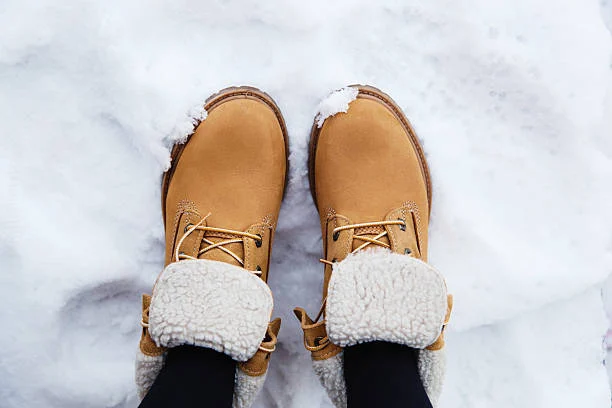
In the winter of Romanian could be so cruel to your feet below -10°C or below, the snow, the sidewalks are frozen, and the roads full of jumps. Boots for women fur genuine leather, are not just a fashion statement, but is an absolute necessity for the comfort and health of the feet during the cold months. But how do you choose the perfect pair to keep you warm, dry and comfortable, while at the same time, the elegance of the female?
In this complete guide, the team Deprobat.it provides all the essential information for choosing your boots fur perfect for this season. We will help you to understand what kind of furry is, and what the differences are, how do you evaluate the thermal insulation for real, what are the technical characteristics are also essential for the protection in the most extreme conditions, and how to avoid the mistakes that converts an investment into the shoes of winter for a disappointment and expensive.
About The Author
The Team Deprobat.en it is made up of keen shoes, dedicated to offering you the best advice based on our years of experience in the industry. We test and analyze our products to help you make the right choice.
Why are my boots fur are essential for the winter, romania?
Usa has a mild winter. In the mountains, the temperature drops below -15°C, and in the lowland, and -5 to -10°C and is to be expected in the January-February. At these temperatures, the shoe used is not only uncomfortable, but dangerous prolonged exposure to the cold can cause frostbite, the circulatory diseases, and damage to the peripheral nerves in the feet.
Boots in the fur create a microenvironment warm around the foot through two mechanisms: the thermal insulation provided by a layer of their fur (which catch the air between the wires, preventing the transfer of heat to the outside), and the physical protection against wind and moisture. Genuine leather exterior provides superior resistance to wind and natural fur inner-generate and retain body heat.
At what temperature are effective boots on fur?
The boots of the high quality with fur, thick can’t keep your feet comfortable down to -20°C or even 25°c., depending on the thickness of the coat, and the duration of exposure. For the temperatures above a moderate (from -5 to +5 degrees C), there is a variant with a fur coat slim, which provides warmth, without causing excessive sweating.
It is essential to set the type of the ghetă with the people in your area. At the university, in the southern part of the country where winters are mild, boots with the fur, the average is sufficient. In Transylvania, Moldavia and mountainous areas, the need for very thick, and the maximum protection.
The Advice Of Our Expert At The Deprobat.en we note that many of the clients I underestimated the cold of the system and choose the boots with the fur coat is too thin for the ‘it’s too hot.’ The reality is that you can adjust the heat of it through his socks, but you can’t add to the insulation of a boot to the insufficient fur. Always choose the option with a little more fur than you think you need it.
Our Expert Advice
The Deprobat.en we note that many of the clients I underestimated the cold of the system and choose the boots with the fur coat is too thin for the ‘it’s too hot.’ The reality is that you can adjust the heat of it through his socks, but you can’t add to the insulation of a boot to the insufficient fur. Always choose the option with a little more fur than you think you need it.
How does this affect the cold of the health of your feet?
Repeated exposure to the cold, it has far-reaching consequences. The circulation of the blood in the extremities is a first-hit – feet of cold, blood vessels constricted, blood flow and reduced oxygen-deficient tissues of the body. In the short term, the result is pain, numbness, and discomfort. In the long term, an increased risk of vascular disease, and neurological disorders.
Women are also more likely to have cold hands and feet due to the nature of the circulation to the peripheral. Boots fur quality is not a luxury – it’s an investment in your long-term health of your feet.
What are the different types of furry is, and what are the differences?
Not all of the boots in the ‘fur’ provides the same level of warmth and comfort. The type of the fur makes all the difference in a dramatic between the rocks with really hot one-which let you down in the snow, serious.
1. Real fur from sheep (sheepskin/shearling)
This is the absolute, in the area of footwear for the winter season. Wool keeps the skin of the animal on the one hand, and natural curls on the other side, creating a material of the bi-layer is exceptional. The skin is attached to the inside of the boot, and her hair form a layer of soft and warm in contact with the foot.
There are plenty of advantages: thermal insulation products for buildings of exceptional (effective down to -25°C), is the breathability of the natural (wool absorbs up to 30% of its weight in moisture without making it seem like getting wet), anti-bacterial properties of natural prevind odors, and outstanding durability – the fur’s natural quality, last for years without losing their properties.
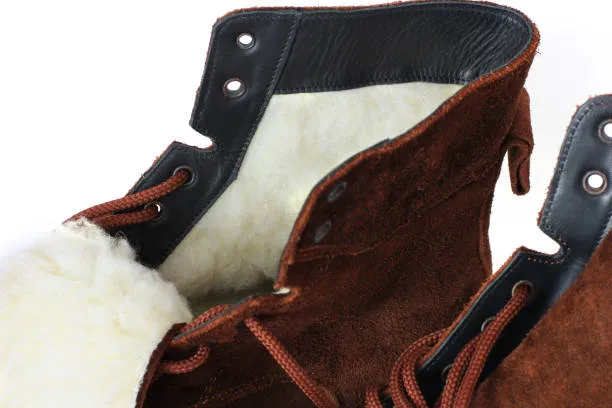
The Deprobat.en, we exclusively use real fur from sheep models of the winter classic. The difference in initial cost compared to the alternatives to synthetics pay for themselves through performance and longevity.
2. Wool, cotton, or wool, woven
Lining made of wool yarn (not the skin of the animal attached to it) is an alternative, more accessible, which, however, provides good thermal insulation. The wool is woven, or knitted and attached to a lining to the inner hub. It’s a lot thinner than the fur to the leather, so it gives the insulation in the bottom, but it still remains much higher than any of the synthetic.
Advantage: the price more affordable than the sheepskin site fully breathable, the good, the properties and natural anti-odor. Effective down to-10 – / – 15°C, suitable for both winters and mild or for people who don’t spend a lot of time out there.
3. Synthetic fur (or faux fur)
Fur synthetic, is made up of fibers of polyester or acrylic. It may look similar to natural fur, at first glance, but the difference in performance is dramatic. I don’t have the ability to absorb moisture wicking – sweat gets trapped, creating a moist environment, and the cool counter-intuitive. It is shallow – only effective down to 0°C or below.
It deteriorates quickly from a season’s wear-intensive man-made fibres it is împâslesc, they lose volume, and doesn’t offer any insulation. In addition, it is developing rapidly unpleasant smells due to the build up of bacteria in the moist environment.
The Deprobat.en the use of synthetic fur in our products, just for you, that’s not it meets our standards of quality and performance. For the winter, Romanian, natural fur is the only viable choice.
| Type Of Fur | Thermal Insulation Products For Buildings | Breathability | Durability |
|---|---|---|---|
| Sheepskin (shearling) | Excellent (25°C) | The upper (absorb 30%) | 10+ years in it with care |
| Wool, cotton | The Best (-15°C) | A good (natural fiber) | 5 to 7 years |
| Synthetic (faux leather) | Low (0°C) | A very low (zero absorption) | 1-2 seasons |
The opinion of the Client – Joan P., Brasov, romania: ‘We’ve been trying for 3 years and boots with the fur, synthetic, in order to save you. Every once in a season, they were cold and wet feet and the boots look so pathetic. We have invested in the fur of the Deprobat.en the only difference is that the difference in the world. I’m on my third iernă, and they look brand new, and my feet are so warm even at -15°C.’
The Opinion Of The Customer
‘I’ve been trying for 3 years and boots with the fur, synthetic, in order to save you. Every once in a season, they were cold and wet feet and the boots look so pathetic. We have invested in the fur of the Deprobat.en the only difference is that the difference in the world. I’m on my third iernă, and they look brand new, and my feet are so warm even at -15°C.’
– Joan P., Brasov, Romania
Why is the skin’s natural for the outside world?
The interior of the fur-covered, it is crucial for the heat, but the outside of the leather is important for protection against the elements. In the winter, the Romanian is not only cold, but snow, rain, ice, wind, and salt on the roads – all of which attack the shoes constantly.
The natural resistance from the water to the skin
Natural leather of high quality, treated as such, it has a natural resistance to water, superior to any synthetic material. The fibers of the skin are heavily intertwined, creating a barrier that repels water on the surface (water repellent) without having to completely block the breathability.
When the leather is sealed with a wax or oil to the special, is virtually waterproof, while maintaining the ability to ‘breathe’ to allow the water vapor from the inside to escape, preventing the build up of condensation. Man-made materials impervious and they are completely waterproof, but the non-respirante (thus creating the effect of a sauna on the inside), or permeable to water.
The durability in the most extreme conditions
The salt on roads in winter, it’s very aggressive to the materials. It attacks, it will corrode and degrade the majority of the synthetic materials quickly. Natural skin due to its dense structure, and the treatment of the tannery, take much more of this the better. With proper care (clean-up after exposure to the salt, the regular application of sunscreen), boots of leather can last 10 to 15 years, even in the harsh conditions of the winter season.
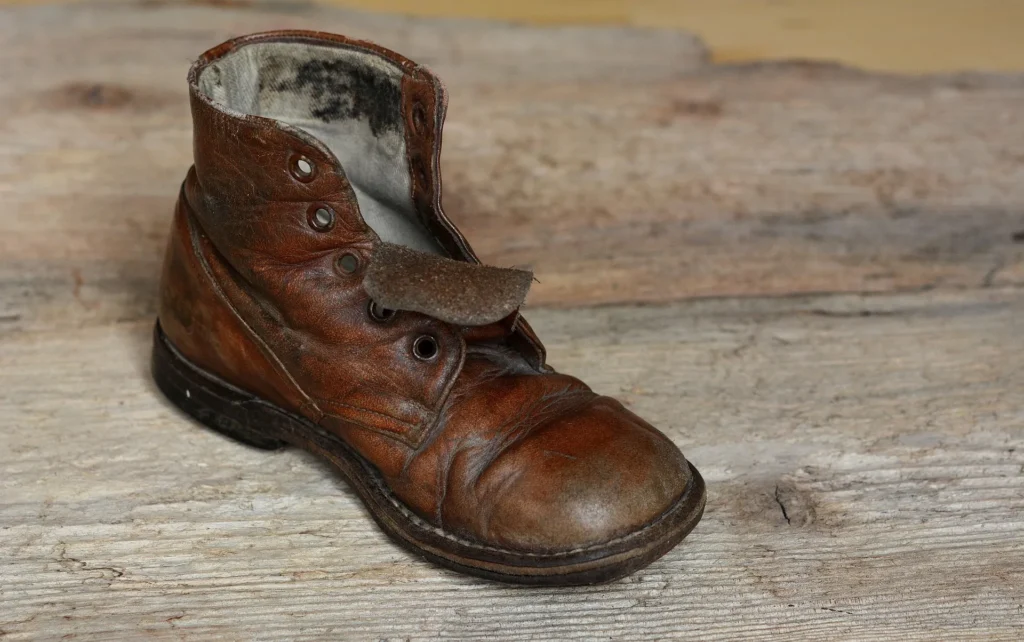
The skin adapts to it and it softens the cold, in the place to be rigidizeze, and crack it like a lot sintetics. This flexibility is maintained to ensure the well-being at work, even at very low temperatures.
What type of leather it is the perfect base for your hiking boots for this winter?
Leather full-grain (flor-full) nubuck or pull-up leather, are the most suitable. Nubuck has a surface lightly sanded, which gives excellent resistance to water, as its waterproofing and look beautiful with the appearance of his mate. The Pull up leather is leather treated with oils and waxes that penetrate deep into the fiber, it offers water with natural and develops beautiful patina.
Avoid skin lacuită or too thin for ankle boots for winter you don’t provide the necessary protection in the most extreme conditions.
The Trick To An Expert Deprobat.en
Testing the quality of the skin by tapping a fingernail on the surface of the skin of a very high quality form of a trace, which quickly disappears when you release the pressure. Thin leather or synthetic, is not going to react to it, or you’ll be scarred permanently. This is a simple test reveals the true quality of the material.
How do you evaluate the thermal insulation of the real world?
Manufacturers will often use vague terms such as ‘warm’ or ‘perfect for a winter’s’ without the specifications of the concrete. Here’s how to weigh yourself, the thermal insulation for real before making a purchase.
1. The thickness of the coat – core indicator
The fur needs to be a minimum of 1.5-2 inches thick to provide insulation suitable for temperatures up to -10°C For areas with severe winters (to -15°C or below), the search for the fur 2.5-3 inches or more and thick. Also, check the effective thickness of the fur is not only the presence of her – many-shoes ‘furry’ they were just lining it’s symbolic of a few millimeters, which do not provide real protection.
Also, check the coat over the entire circumference of the inside of the boot, some models have the thick fur, only in the areas that are visible (the mouth of the boot), and the thin lining of the mess. A boot with a truly hot has a fur coat uniform throughout the interior.
2. The coverage of a full – soles included
The greatest heat loss occurs through the bottom of the foot, directly in contact with the cold ground. Boots high quality pointed toe fur-lined or coated with thermal insulation material, not only a single or fabric. The detail that makes the huge difference when you’re sitting in the snow and ice.
Also, check the area of the heel and the toes – these are the ends where the cold open. You need to be well-protected with a very thick, not to thin lining.
3. The height of the boot – wide protection
Ankle boots, short (low-ankle) put the ankle and the lower part of the leg exposed to the cold. For a severe winter, choose from ankle boots to mid-calf (up to mid-calf) or even a knee-high (knee). The height of the additional add-it’s not just aesthetics – it provides insulation and prevents the penetration of the snow into ice on you when you walk through the snow.
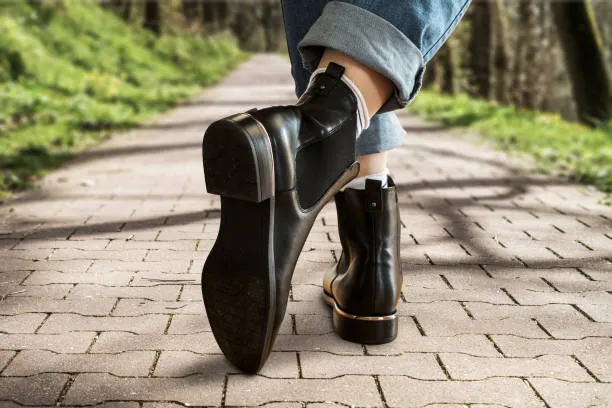
A lot of women avoid the boots in the high-rise, fearing that it will look bulky. The reality is that, once you put on your trousers or tights for the winter, the visual difference is minimal, but the difference is not huge.
4. The test manual for the insulation of the
In the store, you put your hand into the ice and pull from the outside on the other side. You should feel the resistance of elastic time, the volume of the coat if you live the outline of your hand through the ice, it is not enough. The thick fur creates a layer of ‘fluffy’ it is evident that resists compression.
What are the technical characteristics are essential for winter.
Beyond the fur and the skin, there is a specific technical features that make the difference between hiking boots high-performing, and more that you will be let down on my first ride in a real winter.
1. The sole is anti-slip on the ice
The sidewalks are frozen out of the Usa are extremely dangerous falls, sprains, and even fractures are common in the winter. The soles of the boots, you need to have a deep relief (with a minimum of 5-7 mm in depth) with the design of a multi-directional, which provide traction on ice and hard-packed snow.
Natural rubber, or the special of the tire to the low temperatures and remain flexible even at -20°C, contrary to the tire, the standard of which it hardens and loses its grip. Also, check the specifications of the shoe would have to specify the ‘winter’s compound,’ or ‘the cold-weather rubber’.
Avoid the soles of his full, smooth or embossed surface are dangerous on the ice. It also avoids the feet of the plastics are hard, which are becoming slippery in cold weather.
2. The watertightness of the actual round. the resistance of the water –
There is a crucial difference between ‘water resistant’ (water-resistant), and ‘waterproof’ (waterproof). The resistance of the water, it means that the boot repels splashes and rain, but that didn’t protect you if you step in a puddle of mud, or slush. Studies have been conducted that means full protection, even in the immersion part.
Winter in Romanian, you need to water it real, at least to the level of the brand (the first 5 to 7 cm you got the boot). This is achieved by the membrane-impermeable inner (a-type Gore-Tex), the seams are sealed with a special tape, and a treatment for waterproofing of the skin to the outer.
3. The system lock shoe laces round. zip
Shoes provide perfect adjustment and customization of the fund on the different areas of the foot. They are much more reliable in the long term – a string broke it shall be replaced easily and inexpensively. The downside: it requires a long time to încălțare/descălțare, and they can freeze to death if they get wet.
Zipper on the side provides the gear you can wear/take it off your boots up in seconds. It is ideally suited for the high boots, which would otherwise take a lot of time with the shoes. The downside: some zip faulty it can make the ice forms, and the replacement is a costly one.
The best solution: a combination of laces + side zip. The laces allow for the adjustment is not perfect, the zipper offers convenience to the user on a daily basis. More boots on the premium at the Deprobat.en the use of the hybrid system.
4. The protection of the tip and the heel of the
The areas of the top and the heel has there been much used, and are sensitive to knocks. The boots for as long as those areas are reinforced with a bag of skin, or the protection of the rubber, vulcanized or thermoplastic. This detail extends dramatically the life of the world, and to protect you from bruising when you hit the incidental items.
| Feature | Why is it important to | How to check the |
|---|---|---|
| Non-slip soles | Prevents from falling on the ice | Deep Relief for 5-7mm rubber, pliable in the cold |
| Impermeability | The protection against moisture. | The membrane of the internal seams are sealed |
| Closing system | Perfect adjustment and comfort | The laces as + YKK zipper |
| The protective tip/heel | Durability and reliability | Bag of leather or rubber, reinforced |
What are the different types of boots and fur are all suitable for different circumstances?
Not all of the boots in the winter are created for the same purpose. Here’s how to choose the right type according to your specific needs.
1. Boots urban city
If you spend most of your time in the city, walking to work, shopping, hanging out on social, you need a boot that combines the warmth with elegant appearance. The height of the mid-ankle or mid-calf, high-quality design without any overly athletic, versatile colors (black, brown, beige, and gray).
Fur, medium (1.5-2 cm long) is enough for the temperatures in urban areas (from -5 to -15°C). Non-slip soles, but they are not extremely thick. Possibilitate to be worn with pants, dressy pants or jeans without it looking bulky.
The Deprobat.en the models in our urban hairy’m the designated just for this purpose – understated elegance, warmth, proper comfort to the room an extension of the pavement.
2. Boots, outdoor, hiking, and activities
Hiking in the snow, hiking or outdoor activities, intense, do you have need of ankle boots specifications: height-mid-calf or tall, very thick (2.5-3 cm), the water of the complete membrane-Gore-Tex or similar, sole Vibram, or equivalent to grip and extreme.
Those shoes are heavier and less elegant, but it provides maximum protection in extreme conditions. Shoes are essential for a perfect adjustment, and support for the ankle on the uneven ground.
3. Casual boots, for daily use, multi –
The version is versatile which works decently in most of the city, and went to the car, occasional outings to the park. The Design is balanced between the sleek and sporty, the height of the ankle or mid-ankle, fur, the average price is affordable.
They are the choice of the people, for the majority of women who want no more than one pair of boots for the winter for all kinds of situations. He’s not great in a pinch, but it provides decent performance all over the place.
4. Tall boots, furry (knee-high)
For the women, which gives priority to the heat of the peak, and the appearance of the fashion industry. Boots up to your knee provides protection to be extended to the whole foot and lower leg, they are perfect for a dress or a skirt worn in the winter, and it creates nothing to do with the strong eye.
Requirement: zipper-high quality premium (YKK), for reliability, for a full length zipper flaw makes the boot fail. Also, check that the fur does not interfere with the zip – a lot of the boots for cheap are any problems with the zipper that locks in the skin.
The Opinion Of The Customer
‘I bought the boots urban fur of the Deprobat.en and they’re perfect for my needs. Walking every day for 20-minute walk away from the job, no matter what the weather. You are elegant enough for the office and warm enough for the -12°C, that I had back in January. After 2 winters and they look brand new!’
Carmen L., Sibiu, Romania
How to take care of the boots of fur for maximum durability?
Boots made of genuine leather with fur, it can last for 10-15 years with proper care. Here’s a routine is essential for the maintenance of winter.
1. Clean after each use in snow or salt
The salt on the roads is the worst enemy of the skin. If you’re walking through the snow, or out on the streets of salt, clean my boots as soon as you get home. Wipe clean with a damp cloth (not wet) all traces of the salt and dirt. Don’t ever let the salt dry on the skin, it will penetrate into the grain, and will be the cause of the cracks for good.
For the dirt still remains, use a soft brush and luke-warm water with mild soap for your skin. Do not use any aggressive cleaning or chemical products damage the skin and coat.
2. The drying of the right that is essential for the longevity of
I don’t ever put your boots get wet next to a radiator or any other source of direct heat – heat dries out the skin, makes it stiff, and the cause of the cracks. Usucarea correct, it is done at room temperature, with ice in it, filled it with a sheet of paper, which will absorb any moisture from the inside out.
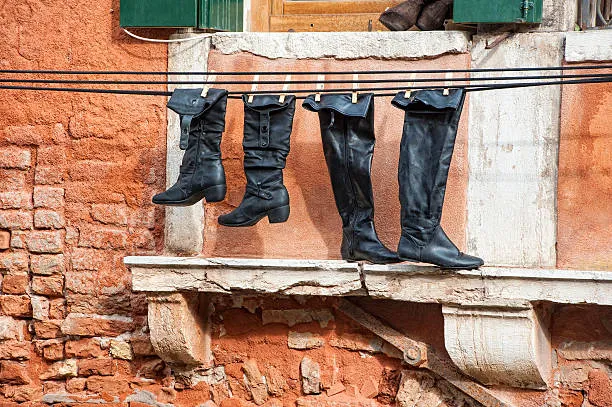
Change the paper in a couple of hours later, when it gets wet. In the process of drying, it can take 24-48 hours – that’s why it’s best to have two pairs of boots for the winter season that you alternate them.
3. The waterproofing of the regular
Even the skin’s natural, treated, she’s slowly losing the waterproof properties after repeated exposure to salt and water. To apply for a product, waterproof product (spray or conditioner on the skin) in each of the last 3 to 4 weeks in winter.
Apply on clean and dry skin, leave to penetrate for a few hours (ideally overnight), and then wipe off excess. The treatment creates an invisible barrier that repels water and prolongs the dramatic life of the world.
4. Care of the fur for the inner
Natural fur is in need of a breather. After each conversation, set them descheise (full laces loose, the tongue is pulled back out) in order to allow the air to circulate. This is to prevent the accumulation of moisture and odor.
From time to time (once a month), brush the fur with a soft bristle brush to restore the volume and remove the accumulated dust. If it is împâslește in some areas (heel of foot), it uses a special brush for the fur to loosen.
5. Proper disposal at the end of the season
When spring comes, it cleans thoroughly, shoes, apply the cream to your skin, let it dry, fill the room with the paper in order to maintain shape and to be stored in a cool, dry place, away from direct sunlight.
Do not keep them in plastic bags, skin, and fur, they need to ‘breathe’. Use cloth bags or leave them in the original box but the lid open for cross-ventilation.
Kit is Essential for the Maintenance of Deprobat.en
For the boots for your winter, you will need: cream impermeabilizantă to the skin, soft bristle brush for cleaning, cloth, cotton, paper the paper to dry, brush his fur. The investment in these products are of simple (between 50 and 100 lei in total), it can extend the life of the boot for 5 to 10 years of age.
What are some mistakes to avoid when you’re buying boots in the winter?
Our experience of over 8 years in the footwear industry, it showed us what kind of mistakes they make women and over again. By avoiding these pitfalls, you will make a wise investment that will serve you for years.
1. The choice of the price instead of quality
Shoes ‘furry’ from 150 to 250 lei seem like a good deal, but it’s almost always a disappointment. Synthetic fur slim, synthetic leather, or of poor quality, the lack of sealing of the real – you’ll get your feet cold and wet from the snow and, after a season will look like a total write-off.
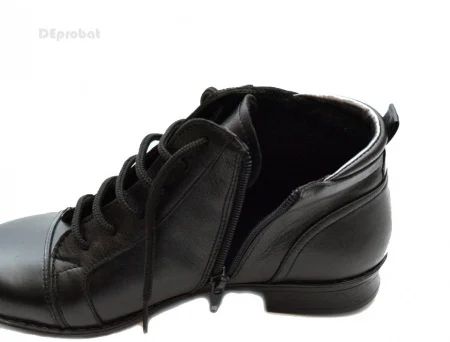
Invest in quality boots genuine leather with fur of cost from 500 to 900 lei, but it takes about 10 to 15 years. The calculation of the period: 50 to 90 euros/year-round. 150 to 250 euros/year for the boots, cheap, and replaced annually. The quality is a lot cheaper in the long term.
2. The choice of the size of the right, ‘to be held by the sock’
A lot of women buy shoes that were a size too large, thinking that I’d have room for thick socks. Expensive mistake. Shoes too big, allowing the foot to slip on the inside, creating friction and blisters. Moreover, the air in the excess around the foot, it reduces the effectiveness of the thermal insulation of fur – it works best when it is in close contact with the foot.
Select your size to normal, and try your boots with a sock of medium thickness (not those ultra-thick). You have to be a tight uncomfortable, not loose. The coat will be compact, lightweight and after a few wearings, giving the exact space you need.
3. The choice of the model, not suitable for the climate of your own
Buying boots for short (the ankle) with a short thin fur, when you live in Brasov, Suceava, where there are mild winters, with -15/-20°C, there is a recipe for misery. Conversely, the boots, to the extreme of the mountain, when you live in Bucharest, where they are rarely below -5°C, it is to sweat excessively.
Match the type of the ice with the real people in your area. Consult with average temperatures in January and February of the city, and choose accordingly.
4. The prioritization of the layout at the expense of the functionality of the
Ankle boots stiletto heel with ultra-chic with a fur-just decorative, they can be spectacular in the pictures Instagram, but it is useless for the winter, the real competition. The heel thin, it’s dangerous out on the ice, the lack of insulation, the real you, let my feet are frozen, and the fragile can’t resist the harsh conditions.
Choose your functionality with a beautiful appearance, no fashion will definitely scratch performance. Fortunately, there are a lot of models that beautifully combines both the boots Deprobat.en these are perfect examples of the elegance of the practice.
5. The neglect of the maintenance after the purchase
The best boot fails if they are not taken care of. The salt is left on the skin, a blast, the drying out next to the stove, is a crack’d, the lack of sealing of the periodic them to make it open. Dedicating 5 to 10 minutes after each use under harsh conditions for the cleaning will prolong the life of the boot for years.
Our Recommendations Deprobat.en
Boots Women Fur genuine Leather – the Warmth and Elegance to this Winter

- Material: 100% genuine leather from cattle (inside and outside)
- Interior: faux Fur, soft, warm
- Sole: Cramponată, non-slip
- Heel: 3 cm in the back
- – Closure: Lacing to adjust the + side zip
- Color: Brown
- Available sizes: 35 to 40
- Comfort: Very comfortable, perfect for frosty weather, and your outdoor activities
- Waterproof: do Not allow water to penetrate
- Packaging: cardboard Box is an elegant
- Runtime: 100% Romanian, hand-made with care
The takeaway
- Natural fur of the sheep, provides thermal insulation, down to -25°C , and the minimum duration is 10+ years old, unlike some of the fur, synthetic, effective up to 0°C and degraded in the course of the season.
- Genuine leather outer, is essential for resistance to water, salt-and-extreme – man-made materials fail fast in the winter.
- The thickness of the fur of a minimum of 2 inches is required for effective protection in temperatures below -10°C, check to see if it all inside, not just on the mouth of the boot.
- The sole is anti-slip with relief, from 5 to 7 mm made of rubber, flexible in the cold, prevent falling of dangerous ice and hard-packed snow.
- Studies have been conducted real-requiring membrane-the inner seams are sealed – I’m just ‘water resistant’ is not enough for the winter competition.
- The height of the mid-calf provides the best possible protection for the most urban situations, balancing the heat with a stylish look.
- Maintenance after each use in salt, it is mandatory cleaning of the immediate and proper drying can double the life span of your boots.
- Investing in high-quality (from 500 to 900 euro) pays for itself in 3 to 5 years, compared to the replacement of the annual of the world’s cheapest (from 150 to 250 euros/year).
Ready to invest in the warmth and comfort of your feet this winter?
Each pair is handmade by artisans Romanian, genuine leather, full-grain and the natural fur of the sheep, of the highest quality. We provide no real protection for the winter, the Romanian – warmth, waterproofing, durability is exceptional. Investing in the health of your feet for the next 10 to 15 years.