
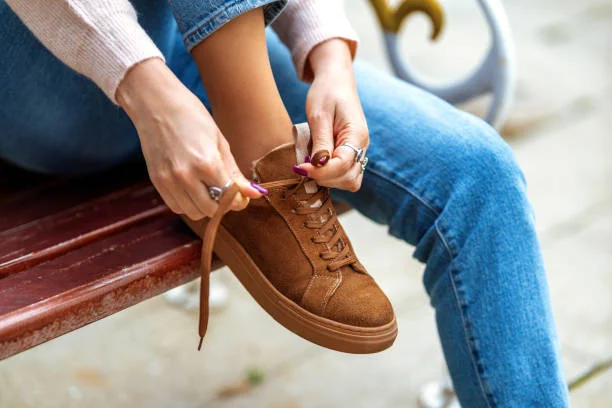
Each day, your feet, I spend 8 to 12 hours, locked up in an artificial environment, your shoes. The choice of the material from which they are made, these shoes are not just a simple preference for aesthetic, but it is a decision with a major impact on the health of the feet, the comfort of the day, and even on the environment. When you’re sitting in the front of the unit and compare it to a couple of the ladies at £ 450, with one of the synthetic ‘leather look’ in 120 lions, the inevitable question becomes: is it worth the difference in price? Well, the short answer is yes – but not for the reasons you’d expect.
In this complete guide, the team Deprobat.it presents an objective analysis, research, and without prejudice to the differences in the skin of natural and synthetic fabrics for the footwear. With over 8 years of experience as a manufacturer of leather shoes in Romanian, we have been working with both of these types of materials, and to deeply understand the benefits and limitations of each. You’re going to discover how you breathe with a real leather as compared to PU, or PVC, it has an impact on the health of the foot of each material, as I get older over time, and what is the cost of the environmentally friendly than real output. We’re not going to sell you a good story – we’re going to present you the facts so you take the decision to be kept informed.
About The Author
The Team Deprobat.en it is made up of the masters încălțămintari with more than 15 years of experience in the treatment of skin and natural scientists, passionate about the material and its durability. I have tested it and it worked with dozens of different types of materials, ranging from leather, the full grain in the most advanced man – made- in order to really understand how each of the real-world conditions of use.
Table of contents
What are the fundamental differences between the skin of the natural and man-made?
Prior to the analysis of the advantages and drawbacks of each material, we need to understand what the exactly are, and how they are produced. This clarification is necessary because different materials of the synthetic products are marketed under the misleading labels such as ‘eco-leather’, ‘vegan leather’ or ‘the premium synthetic leather’ – the terms of which sounds like green day, but I have very different realities.
What exactly is the skin the natural way?
Natural leather is the outer layer of the skin of the animals (usually cattle, sheep, and goat), treated with a process known as tanning, to make durable, flexible, and resistant to decay. It is a biological material is a complex one, with a fibrous structure is unique, developed over millions of years of evolution, in order to protect the animal, and to regulate the temperature of your body.
The structure of the skin’s natural
- Collagen fibers: Arranged in the layers of the complex, which gives strength and elasticity of the simultaneă
- Vintage-genuine: the Openings on the microscopic, which allow air to pass through and evaporate the moisture
- The fat natural Components of lipids that keep skin supple and hydrated
- The texture variable is: Every piece of leather is unique, with its specific features of the zone of animal origin
The Deprobat.en we are working exclusively with a leather, bovine leather, vegetable , or by means cromice controlled, while maintaining as many of the natural properties of the material.
What are your materials made of synthetic for shoes?
Man-made materials shoes are polymers made of artificial (plastic) that are produced from petroleum by the chemical processes are complex. The most common types are:
1. PU (Polyurethane): The most commonly used plastic material, for example. It is a flexible plastic that can be made to look like the natural leather with printing texture. LEAST the good quality, it can be pretty tough, and the relative respirant (as compared to other synthetics), but it remains a fundamentally new design.
2. PVC (polyvinyl chloride): a cheaper and More rigid than that of PU. It is waterproof, completely durable to wear and tear, but for a very short respirant. Used for shoes, or very, very cheap. It has an impact to the ecological problem by chloride in the composition.
3. Microfiber, synthetic: Fibres are very soft polyester or nylon woven densely in order to mimic the texture of the skin. There are more respirante than PU or PVC, solid, but it’s still blocking most of the wind relative to the skin naturally.
4. ‘Eco-leather’ / ‘Vegan leather’: the Terms of the marketing, which are usually set in the PU or other synthetic fibres. I’m not necessarily a ‘cross’ – are produced from crude oil. In some variants, the premium may include a component of the bio (pineapple, mushrooms), but they are rare and expensive.
For Clarification Deprobat.en
The term ‘skin-organic’ is misleading. For a ‘skin-green’, is a synthetic (PU), no skin, naturally. The skins of the natural leather it’s actually greener on the long-term, due to the biodegradability and sustainability in higher education. Don’t let yourself be fooled by the marketing of green applied to plastic!
| Feature | Genuine Leather | Synthetic material (PU/PVC) |
|---|---|---|
| Home | By-product of the food industry (bovine animals), biological material | Product of the petro-chemistry, polymers, artificial, petroleum – |
| Structure | Fiber, a complex of collagen, pores, natural, trans-fat, organic | Polymer-even without a fibrous structure, waterproof |
| Breathability | Excellent pores allow for the circulation of air and the evaporation of moisture | Dim to zero – the plastic blocking the air and sweat |
| Adjustment foot | It molds to custom the shape of the leg in 1-2 weeks. | It remains rigid or deform excessively out of control |
| Durability | Between 5 and 15 years, with care, it develops a patina, elegant | From 6 to 18 months, it’s crack’d, gently, he looks worn down fast |
| Biodegradability | Broken up in 25 to 40 years old | Non-biodegradable, lasts for 500+ years, the average |
| Original price | 350-700 lei | 80-250 lei |
| Cost per year | 60-140 € /an (amortized over 5 to 10 years of age) | 80-250 € /year (annual replacement) |
The way he’s breathing real leather to man-made materials?
The term ‘breathable’ is dropped frequently into the market, but very few understand what it really means, and why does it matter worse for the health of your foot. To be clear, scientifically, this is crucial.
What exactly is ‘breathable’ material?
Breathability of the fabric , for example, refers to the ability to allow for:
- The movement of the air: the fresh Air comes in, the air humid and hot out
- Evaporation transpiration: water Vapor can pass through the fabric to the outside
- Setting the temperature: the Material helps to maintain the optimal temperature of the foot (about 28 to 30°C).
The human foot removes an average of 200 to 250 ml of sweat per day (the equivalent of a shot glass). The sweat has two functions: cooling, evaporation, and the elimination of toxins. When the perspiration cannot escape, it creates an environment that’s warm, wet, and dark – perfect for the growth of bacteria and fungi.
How ‘breathable’ skin is natural?
The skin of the natural features of a fibrous structure, placed the single. At the microscopic level, the collagen fibers are arranged in layers, with its tiny amongst them. These spaces form a system of microscopic channels, which allows you to:
1. The Transport ship out of the water, the water Molecules in sweat (gas phase) are small enough to pass through these channels. Transfer rate of water vapor to the leather quality is 2.000-4.000 g/m2/24h (grams of water vapor that can pass through a square metre of fabric in a 24 hour period).
2. The absorption temporary Skin can absorb up to 20% to 30% of its weight in moisture without feeling wet to the touch. This moisture is then released slowly to the outside when the vapor pressure of the external low (for instance, when you take off your shoes).
3. Thermal regulation: In conjunction with the movement of the air, the evaporation constant keeping the temperature of your foot stable. Natural skin acts as an air-conditioning system natural cooling in the summer due to evaporation pressure, insulates in the winter by reducing the water loss.
The Opinion Of The Customer
‘I have been working 12-hour shifts at the hospital, you are constantly on your feet. I’ve tried the original shoes, medical care , synthetic, they were advised that they can be disinfected easily. After 6 hours, my feet were îmbăltoșate in sweat, and there’s a horrible smell, and the discomfort of the total. I’ve been in your shoes made of genuine leather Deprobat.en and the difference is night and day. Even after 12 hours, your feet are dry and comfortable. Yes, you have to clean it more closely, but it was worth every second of effort into the comfort that it offers to you!’
Jeanne T., A Resident Of Bucharest
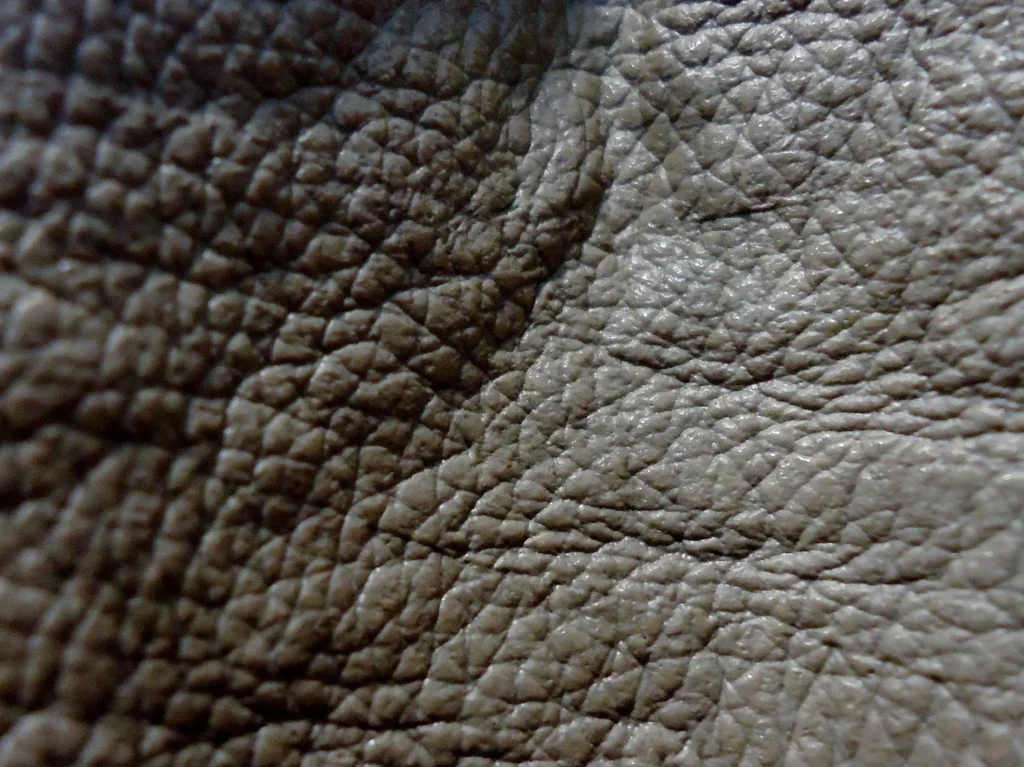
Like ‘don’t breathe’ man-made materials?
Man-made materials are the fundamental of polymers – long chains of molecules that form a structure with a dense, water-proof layer. Even the most advanced synthetic ‘respirante’ performance is significantly lower than the skin’s natural
PU (Polyurethane) ‘respirant’: The best of synthetically available, it can achieve the 800-1.500 g/m2/24 hours the shuttle boat from the water – which means up to 30% to 40% of the capacity of the skin to the natural. This is a premium version; GO the cheaper the standard has less than 500 g/m2/24h.
PVC (polyvinyl chloride): Basically waterproof, full. The shuttle boat from the water, less than 100 g/m2/24h. The leg is actually the ‘wrapped in plastic’ – in all the juices stay locked on the inside.
Microfiber performance a little better due to the structure of a woven, which creates spaces and tiny little between the lines. Can I reach the 1,000-to 2,000 g/m2/24h, but you still remain below the skin’s natural, and, crucially, they don’t have the absorption capacity of the temporary – sweat, or move right (keeping the foot wet), or locked (beyond the within).
The Simple Test Deprobat.en
Take a piece of synthetic fabric and is one of the high-quality leather. Breathing warm, moist air out on each of the (simulated transpiration). On artificial turf, you’ll immediately see the dew and the drops in the humidity, I can’t get through. The high-quality leather, the fabric absorbs the moisture from forming droplets, and then release it slowly. This is the visual difference between the breathability of the real and the water wearing a mask.
What are the consequences of the lack of breathability?
When you sweat, you can’t get away, a cascade of problems:
- Maceration of skin: the Skin of the constant damp to soften it, it becomes white, and vulnerable to damage
- Fungal infections: Fungus is what causes ‘athlete’s foot’ (tinea pedis) thrives in warm and moist environments. On the market for 5 to 10-fold higher in carriers of the shoe made of synthetic
- Bacterial infection: the Odor is caused by bacteria that break down the sweat. The shoes are synthetic, the bacteria proliferate exponentially.
- Calluses and hardness, excessive Humidity, constant, maceration of the skin, making it more vulnerable to friction and pressure
- Contact dermatitis: allergic Reactions to the dyes and chemicals, synthetics, made worse by the damp environment
What is the impact of the material on the health of the foot, in the long run?
Beyond the comfort of the right, and the choice of material has a profound effect on the health of the foot, which is itself in the months and years of constant doing. Many of these effects are insidious – they are not dramatically visible from one day to the next, but it is accumulating only gradually.
The impact on the circulation and the health of the vascular
The feet are the furthest away from the heart to the circulatory system. The blood must be pumped against gravity in order to get back to your feet to your heart. Any factor that affects the flow it has systemic consequences.
Shoes made of genuine leather: Through the breathability and the ability to adapt, allow for the adjustment of the temperature is sub-optimal. The increased temperature of the excessive (in the sweat-stuck) it dilates the blood vessels, slowing down the return line. The optimum temperature is maintained for the skin’s natural support the efficient movement.
The shoes are synthetic: high Temperature in the absence of respirabilității (it can reach 35 to 38°C in the shoes of the synthetic round. From 28 to 30°C in the leather), dilates the vessels, and it dramatically slows the circulation of the line. In the long term, it will contribute to:
- Varicose veins and spider veins (an incidence of 40% in chronic carriers of the synthesis)
- My feet are swollen, the chronic (edema)
- The feeling of heaviness and fatigue in the legs
- An increased risk of venous thrombosis in individuals prone to
The impact on the structure and alignment of the foot
The foot is a complex structure that constantly adapts to mechanical loads. The material of the shoe affects dramatically the way it is developed such an adaptation.
The skin’s natural adaptive benefit: your Skin naturally fit the shape of your foot within 1 to 2 weeks of wear. The process of ‘running-in’ is not a weakness – it is the adaptation of the material to the anatomy of your lifetime. The result is a shoe that:
- Supports the plantar arch is exactly where you need it (I don’t where it is a mod of the generic assumed)
- It eliminates the pressure points specific to your foot
- It allows natural movement without compulsion, or excessive leanness
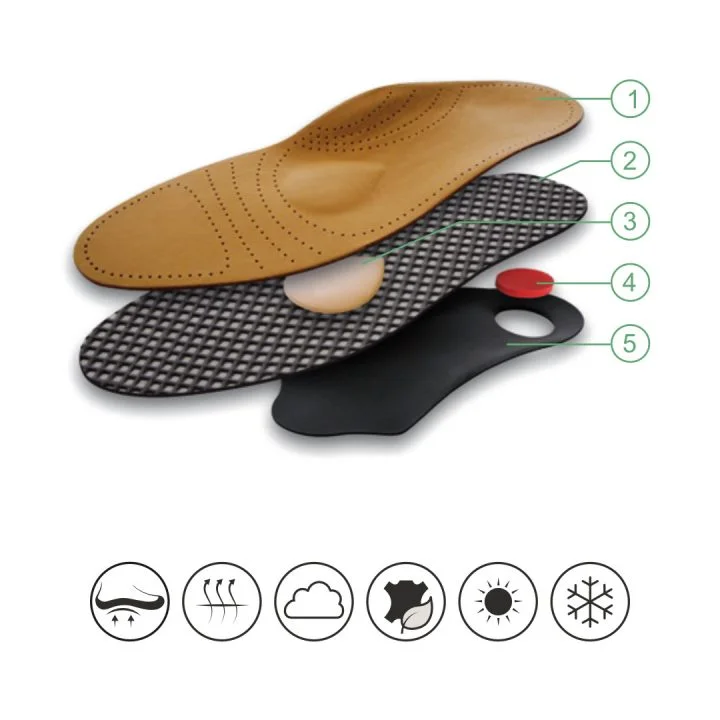
Man-made materials – fit issues: the synthetics or remain rigid (PVC, PU, poor quality) or giving the chaotic (PU, soft material for cheap). No adjustment is controlled:
- The stiffness and persistent: it Forces the foot to adapt to the shoe, not the other way around. It can lead to deformities of the fingers and toes (hallux valgus, finger mallet), the collapse of the arch insoles, pain of the posture of the settlement
- The deformation is excessive: the Shoes are losing their shape, structure, providing zero support. The plantar arch is collapsing, knees, and hips, they are required to excessive
The Opinion Of The Customer
‘I wore for 15 years shoes, synthetic comfortable because it was cheap and did the job. At the age of 42 I started to have a constant pain in the soles of the feet and ankles. Podiatrul has shown me that I really began to develop flat feet function – the plantar arch is collapsing gradually, due to the lack of support adequacy. I have recommended your shoes with your support, anatomically correct real leather. After 6 months, the shoes Deprobat.en in it, the pain was reduced by 80%. I am deeply sorry that we have not invested in high-quality early – the health of the feet do not recover quickly!’
– AMarina D., A Professor Of Timisoara
The impact on the health of the skin of the leg
The skin of the foot is subjected to extreme conditions: pressure, friction, sweating, temperature is a variable. The material of the shoe determines if the conditions are bad or if they become symptomatic.
With the high-quality leather:
- The skin of the foot to remain dry and healthy
- Minimum incidence of fungal infections (tinea pedis, onychomycosis)
- Calluses and hardness of the minimum, limited to the pressure of the inevitable
- The Absence of a persistent smell (if you do not proliferate in dry environment)
With any synthetic fibers:
- The skin of the constant, wet, crushed, insecure,
- Fungal infections of the recurrent studies show an incidence of 5 to 10 times higher
- Calluses and hardness, over-the combination of moisture – + – friction
- Lingering odor cannot be removed (the bacteria to colonize deep into porous materials, synthetic)
- Contact dermatitis, allergic to the dyes, stabilizers and chemicals, PU/PVC,
As I get older shoes are made of genuine leather versus synthetic ones?
The way in which the material is ageing, says more about the quality of its real appearance when it is brand new. The skin of the natural and the synthetics have the paths are completely different from the old age.
The aging of the elegant appearance of the skin’s natural
Natural leather of high quality does not ‘wear out’ in the traditional sense – they are transformed. This process is called the development of the ‘strip’, it is really appreciated and sought after by those in the know.
Within 6 months: the running-in Period. The skin wraps around the foot, the color is smooth, easy, the first subtle signs of wear and tear the flex (up to 1 / 3rd from the top). This is not a damage – is the adaptation of the material.
Year 1-2: the Skin develops a shoe – shine, matte, elegant, in areas of frequent contact (heel side). The colour can be deep, subtle, making it more rich. Comfort increases as the skin is completely flexible.
Year 3-5: what If it is well taken care of (the hydration of the month, regular cleaning), the skin of the peak: extremely comfortable to wear, skate, handed down, look vintage chic, which I may not be reproduced artificially. The structural remains rock solid – the stitching, the shoe and the abutment are still intact.
Year-5 to 10+: To care, natural skin quality (full grain), can last 10 to 15 years. Will it look ‘lived in’, but don’t deface wrinkles, the root of character, patina more pronounced, but without any cracking or delamination. It’s a jeans, a vintage – quality aesthetic value increases with age.
The Philosophy Of The Deprobat.the one about Aging
We are seeing the aging of the skin’s natural that a visual story of your journey. Each of the riduă, each and every subtle change of hue are you to tell me where you went, what you lived for. A shoe is made of genuine leather, the 5 year old, well taken care of, I don’t ‘look old’ – she looks genuine, lived in, full of character. This is the exact opposite of the shoes synthetic, us, which shows the generic and the artificial.
The degradation of the visible part of the synthetic materials
Man-made materials do not ‘grow old’ – it’s degrading. The process is linear, predictable, and inevitable, regardless of the care.
The first 3-6 months: Shoes, looks relatively good, but the first signs are already emerging. The coat of finish (the paint is applied on the PU to make it look like your skin), it starts to wear out to the flex. The first white line, where the plastul the bottom is visible.
Month 6 to 12: the Degradation is accelerating. The finish is peeling off the surface, the small pieces from the paint comes off, exposing the plastul black/white / grey for the bottom. The areas of the flex – (on you, on my ankle) I’m starting to crack the plastic doesn’t bend, it breaks. The seams can begin to fail if they are caught in the plastic is weak.
The month of 12 and 18: the Majority of the shoe, synthetic, they get to the end of the life of the operation. Cracks are deep, exfoliating extensive structural deformation (my shoes are losing their shape), damage to the foot (it is off or wears through the thin). The look is obviously ‘old and tired’ – it’s stylish, vintage, but also damaged and neprezentabil.
After 18 months of Rarity. Few shoes are synthetic, they survive functional for more than 18 to 24 months to conduct regular basis (3-4 days/week). Even though structurally they can still wear them, the appearance is damaged, makes them unsuitable for the majority of the contexts, in professional and social.
| Time | Genuine Leather (Full Grain) | Synthetic material (PU/PVC) |
|---|---|---|
| Months 0 to 6 | Run it and fit on your foot, looking back at the course of your customization | Looking back, the first sign of wear to the finish on the flex |
| Year 1-2 | Development of patina, maximum comfort, sleek look ‘lived in’ | Peeling of the visible surface finish, stress cracks on the methods used look |
| Year 3-5 | Skate, judgment, comfort, vintage look premium | Advanced deterioration, structural compromises, nefolosibili |
| Year-5 to 10+ | Yet, working with a caring, authentic, full of character | Much of the trash, and replace it by 3 to 5 times |
| Care is required to | Cleaning and moisturizing of the monthly (10 min), the shapes of the shoes | The lowest – but that’s irrelevant, the degradation is inevitable |
| The possibility of repair | GIVE the sole, insole, stitching could be replaced by a cobbler | NO plastic is cracked doesn’t fix it, it throws |
Why is genuine leather offers superior comfort by adjusting the custom?
Did I mention that the skin’s natural ‘forms’ on the toe, but the latter should be an in-depth analysis, because it is fundamentally different from that of any of the synthetic material can give you.
The mechanics of the mulării natural skin
Genuine leather is made up of collagen fibers arranged in layers. When you put it under repeated pressure on the fibers (the wearing of the shoes), they realign themselves progressively in the direction of the pressure. The process is:
- But it is reversible: Once upon a hit, the skin retains the shape of the. But if you put the shoes on with the shapes on the inside, you may return the part to its original shape
- Specific area: the Skin of the forms differently in different regions – where the pressure is higher (the arch of the foot, the toes), where the pressure is low
- It gradually: do Not happen in an instant. The best period of running-in is the next 10-20 play (1 to 2 weeks for the everyday wear)
The result? After the run, you’re basically a shoe-customized to the shape of your anatomy unique to you. A pointed toe brace herself she will never compare to this chapter.
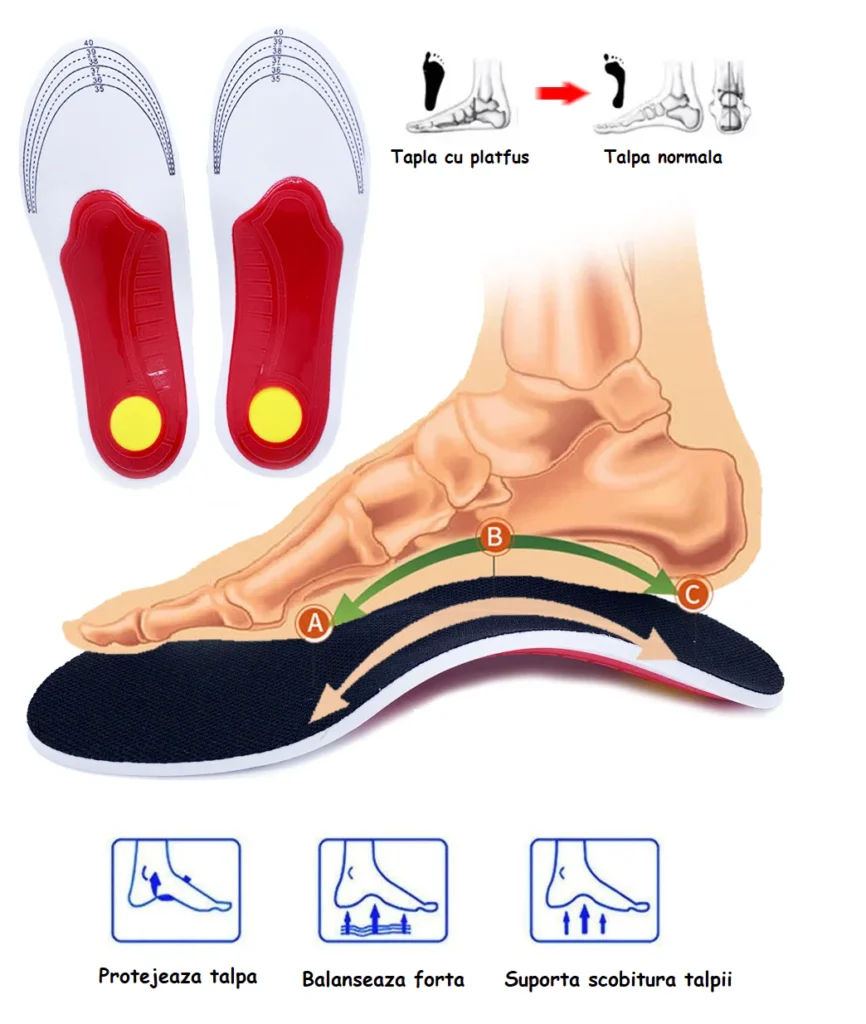
Why man-made materials can’t replicate the process?
The synthetics are polymers – long chains of molecules, which are either of the rigid (does not bend) or elastic (stretch temporarily, but I’ll be back to the original). There is no equivalent to the synthetic, the realignment of collagen fibers.
PU jacket: Stay sharp in the shape of the plate. It can eventually crack the flex of the wear and tear again, but it’s not ‘fit’ – this is the damage.
PU, soft/resilient: They will lie to temporarily under stress (like when you’re wearing shoes), but it will be recover to its original shape when you take it out. There is no adjustment to be permanent. Even worse, the elasticity of the excessive is zero structural support your foot ‘floating’ in the shoe, no stability.
Micro-fibres: Those closest to the skin, from the point of view of the structure, but it still does not fit, organic. I may have a slight ‘failure’ of the initial (the first 2-3 behavior), but then they fixed it.
The Opinion Of The Customer
‘I’ve got his legs slightly asymmetric – right of the 5mm wider than the other. Shoes synthetic, I’ve always had a problem: either the left was a tight fit, and I ached all over, be right, it was a little too wide, and slides. Shoes Deprobat.en the high-quality leather, and after a 2-week run-in, BOTH of your shoes, they are perfectly adapted to – the left has increased just as much as I should have, the right to the left just a little bit. Now, I’ve got a pair of perfectly tailored to the asymmetry of the mine. Not possible with synthetic!’
– Karen M., Undertaker-Brasov
What is the environmental impact of real natural leather vs synthetic?
The debate of eco-leather vs synthetic-it is a complex and often manipulated by the marketing department. We analyze the objective data, without prejudice.
The environmental impact of a natural skin
Negative aspects:
- The process of tanning: Tanning chromic (the most common) use of salts of chromium, which can be a pollutant if it’s not handled properly. However, the rules of the modern EU is imposing strict standards for the treatment of waste water
- The association with the meat-processing industry: leather is a by-product of the food industry. Don’t do it JUST for the skin, but however, there is a link to the environmental impact of the growth of the animals (the emission of methane, the use of land, etc.).
The positive aspects are:
- A by-product, not the main product: If the skin is not to be used for shoes, that would be a waste, an organic which needs to be removed. The build of a material, which, however, there is a
- Broken down: the Skin of the vegetable tanned (veg.) is completely broken up in 25 to 40 years of age. Even the leather suppression breaks down eventually (from 50 to 80 years), in contrast to a lot of rules that it takes 500+ years old
- Exceptional durability = less in the long run , A pair of skin-to 10-year vs. 5-7 pairs of synthetic means less of the total consumed (energy, manufacturing, transportation, packaging, and disposal)
- Oh: Shoes are made of leather they can be the fix of shoes – the soles replaced and seams undone. Extends the dramatic, your life, reducing waste
The environmental impact of synthetic materials
The negative aspects (major):
- Based on the oil industry: the PU and PVC are oil based, non-renewable resource and a highly environmentally-friendly extraction and refining
- The production of energy-intensive: the chemical Processes for the polymerization process requires high temperature and energy consumption, high
- Non-biodegradable: the plastic parts of the shoe, synthetic, they persist in the environment for 500+ years old. It is broken down, possibly in the legislation, which pollute the soil and water
- Nerecilcabil practice: Although, theoretically, the LEAST it can be recycled, in practice, the shoes are synthetic, they are complex objects (the glue, the stitching, the many different materials) cannot be separated from economic ones. 99%+ in landfill or incinerator
- Toxic emissions from the incineration: the PVC in particular the release of dioxins and other chlorinated compounds are toxic when burned
- Duration of the short life = fast-cycle replacement: 5-7 pairs of synthetic 10 years is 5-7x the impact of the production, transportation, and disposal of
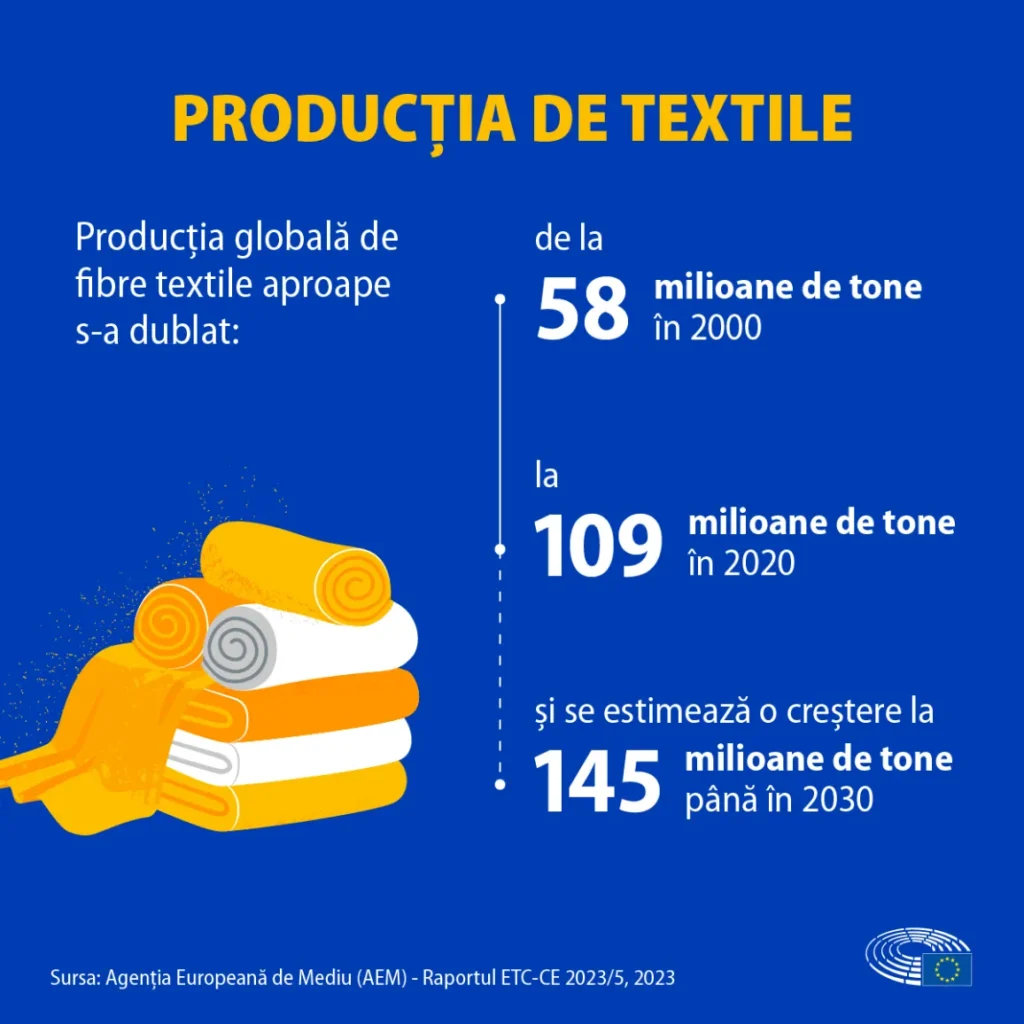
(https://een-erbsn.ro/noutati/impactul-productiei-si-deseurilor-textile-asupra-mediului)
The positive aspects are (a minor):
- Non-animal: For those of you with the objections, to the ethical to the use of animal products, the synthetics offer an alternative
- Innovations in recent Occurring materials of the ‘bio-based’ plant (Piñatex pineapple, Mylo out of the mushroom). These all look promising, but are still rare, expensive, and unproven long-term
The Position Of The Deprobat.en on a more sustainable
If you are truly concerned about the environment, the number 1 should be DURABILITY, not to the origin of the material. A product of the last 10 years, it is almost always more environmentally friendly than the one that lasts for 1 year, regardless of how they are made. Natural leather of high quality, well-cared for, this is probably one of the most durable option available to the company, for example – and so, ironically, and probably the most eco-friendly in the long term.
How do you calculate the cost-benefit analysis of real long-term?
We’ve talked about many of the aspects of a high quality. To quantify right now, in economic terms with clear, to make your decision is informed.
The script compared to a 5 year old
Option a: The Shoes are synthetic (PU – ‘good’)
- Price per pair: 180 lei
- Durability: the 14-month average
- Pair needed in 5 years: 4 to 5 pairs of
- The Cost of shoes: 180 x 4.5 = 8 to 10 mdl
- Maintenance: minimum € 20 total
- No hidden costs and health-care insoles orthopedic (£150), herbal mushrooms/toes (£100), constant discomfort
- OVERALL: 1.080 share of the discomfort and problems of health
Option B: If The Shoe Deprobat.en genuine leather (Full Grain)
- Price per pair: up to 520 lei
- Durability: 6 to 8 years old-with-care
- Pair needed in 5 years: 1-pair (or 2 for the rotation of the ideal)
- The Cost of shoes: 520 ron (or 1.040 ron for 2 pairs of turn)
- Maintenance: 250 lei per 5 years of age (cream, tooth brushes, shapes)
- No hidden costs, no comfort, and health
- A TOTAL of 770-lei (1-pair), or 1.290 lei (2 pairs of turn)
Sum of money …
- 1 pair of leather: ECON 310 lei 5 years ago
- 2-pairs of the skin (the rotation of the optimal): Cost, similar to the (+210 ron), BUT it doubles the duration of the 10-to-12-year = the economics of the massive long-term
- Plus: the incomparable comfort, superior, zero issues, health, sleek look that lasts
The scenario of the extended 10-year old (the)
An Option Of: Synthetic
- 9-10 pairs of x 180 ron = 1.620-1.800 lei
- Time spent with replacement: 9x visits to the store, samples = 10 to 15 hours
- The frustration, the annoyance of constant issues of health, accumulated
Option B: genuine Leather
- 2 pairs in rotation (one replaced, eventually, in the year 7-8) = 1.040-1.560 lei
- Maintenance: £ 500, the 10-year
- TOTAL: ron 1,540-2.060 lei
- Comfort, growing up in the mean time, zero issues, health, and satisfaction with the product quality
The ECONOMY’s 10-year: 80-260 share the benefits immeasurable in comfort and health
The Opinion Of The Customer
‘I’ve got it all figured out this is exactly what I have been reading your articles Deprobat.en. Over the last 7 years spent 1.450 lions of 8 pairs of shoes. synthetic, of the firm of which they were worn-out, it’s disgusting fast. We have invested, and then ron 1,100 in 2 pairs Deprobat.en (one black, one brown) 3 years ago. You rotez a daily basis, and it looks and feels like new. I estimate that it will take at least 4 to 5 years. When calculating the cost of a day of wear, I’m paying HALF of what we paid for it with the synthetics. Plus, you don’t have any pain or discomfort. I’ve become an evangelist for the ladies to tell them to all of my colleagues!’
– Simona G., Project Manager, Cluj
Our Recommendations Deprobat.en
Shoes Women real Leather – What A Difference you Feel From the very First Day
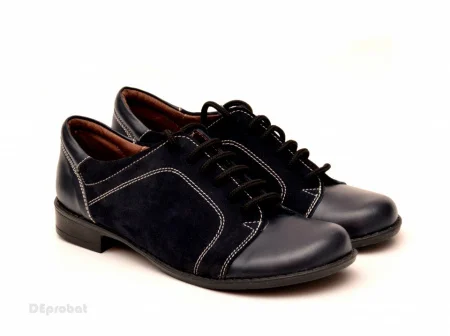
Understated elegance and absolute comfort. This is a model of casual-chic in leather, black, combines the texture of the matte (the box), with fine touches of leather, for a look that is sophisticated and versatile.
- Material: 100% genuine leather from cattle (inside and outside)
- Design Closure, lace-up, platform, discreet than 2.5 cm in the back,
- Comfort: Soft, comfortable, suitable for the conduct of daily life or on special occasions
- Available sizes: 35 to 40
- Packaging: cardboard Box is an elegant
- Runtime: 100% Romanian, hand-made with care
- Production time: 3-5 business days
- Real photo
The takeaway
- Breathability of the skin’s natural is 3 to 4 times superior to the best synthetic – 3.200 g/m2/24 h vs. up to 1,500 g/m2/24 h for the premium PU basically ground zero for the PACKERS.
- Man-made materials, are based in the oil – PU and PVC polymers and petro-chemicals, non-biodegradable, which lasts for 500+ years, on average.
- Genuine leather forms a custom shape of your foot within 1 to 2 weeks in the re-alignment of the collagen fibers that can’t be replicated by synthetic, rigid, or overly bouncy.
- Fungal infections are 5 to 10 times more common in chronic carriers of casual footwear made of synthetic due to the specificity of the hot and humid created by the lack of respirabilității.
- The skin’s natural it takes between 5 and 15 years of developing the patina’s elegant, while the synthetics are declining noticeably in the 12 to 18 months, peeling and cracking.
- The cost of a day of wearing leather it’s with a 40% to 50% less than that for the synthetic a period of 10 years, and calculating changes frequently as required.
- Sustainability is the most important criterion for the environmentally friendly product that lasts for 10 years, it is almost always more durable than one that lasts for 1 year, regardless of the material used.
- Leather is broken up in 25 to 50 years old, as compared to 500 years for plastic parts, synthetic, which are becoming the legislation of pollutants.
- The term ‘ecological leather’ is a deceptive marketing, this refers to the PU (plastic), not on the leather. The skin of the natural leather it’s actually more environmentally friendly in the long term.
- Leather shoes can be repaired, and the duration of the extended – foot replaced, the seams undone. The synthetics cracks are not repaired, it is discarded.
- The temperature of the foot in a synthetic, it can reach 35 to 38°C, vs a. From 28 to 30°C is the optimum in high-quality leather, thus affecting the circulation of the line, and increasing the risk of varicose veins.
- Your investment in the 2 pairs of leather, with or without rotation, the daily double the length of life of both the 10-to-12 years, the total – cost-benefit analysis as possible.
Get ready to make a choice that will transform the health of your feet?
Don’t accept any compromises. Your feet, I spend 8 to 12 hours a day in your shoes – it’s worth it to let it breathe in your skin the natural and authentic, not to be sealed in the plastic. Each of the pair of Deprobat.it is a promise to myself: breathable genuine service, which increases over time, the durability of the years, and zero regrets.
Tests for a difference in their own skin – guarantee in 30 days complete satisfaction. If you don’t feel the difference a dramatic return, no questions asked. But we know from the experience of more than 1,200 clients: once you feel your skin a natural and authentic, you’ll never come back to the synthetics!